
Efficient transportation is essential for businesses that depend on deliveries, field services, or regular customer visits. As operations expand, managing multiple destinations can become increasingly challenging. Poor route planning may lead to unnecessary mileage, higher fuel expenses, delivery delays, and increased pressure on drivers.
A well-organized route planning process helps businesses use their vehicles and workforce more effectively. It can reduce wasted time, improve delivery reliability, and provide customers with a better experience. For growing companies, these improvements can create a stronger operational foundation and support long-term business growth.
Understanding the Importance of Efficient Route Planning
Route planning involves organizing multiple stops into practical schedules based on factors such as distance, delivery windows, vehicle capacity, and traffic conditions. Businesses that rely on manual planning may find it difficult to update routes when circumstances change.
Using route management software can simplify this process by helping businesses organize stops, monitor journeys, and make more informed routing decisions. Instead of depending entirely on spreadsheets or manual calculations, teams can gain better visibility into daily transportation activities.
Efficient planning also helps ensure that drivers spend less time traveling unnecessary distances. This can make daily operations more predictable and allow businesses to serve customers more consistently.
How Better Routes Reduce Operational Costs
Transportation costs can have a significant impact on business profitability. Unnecessary mileage increases fuel consumption and can contribute to faster vehicle wear. Inefficient schedules may also require drivers to work longer hours, increasing labor and overtime expenses.
Optimized routes help reduce unnecessary travel by arranging stops more logically. When vehicles spend less time on the road, businesses can potentially reduce fuel usage and maintenance requirements.
Better planning also improves vehicle utilization. Instead of assigning resources inefficiently, businesses can coordinate available vehicles and drivers according to workload and delivery requirements. Over time, these improvements can contribute to meaningful operational savings.
Improving Customer Satisfaction Through Timely Deliveries
Customers increasingly expect reliable and predictable service. A delayed delivery can affect customer satisfaction, particularly when businesses provide specific delivery windows.
Effective route planning helps businesses create realistic schedules and reduce unnecessary delays. Customers can receive more accurate delivery estimates, while drivers have clearer instructions for completing their daily routes.
Reliable deliveries can strengthen customer trust and encourage repeat business. When a company consistently meets its delivery commitments, it creates a positive experience that can differentiate it from competitors.
Increasing Driver Productivity and Efficiency
Optimize Daily Schedules
Organizing stops in a logical sequence can reduce unnecessary travel between locations. Drivers can spend more of their working time completing productive tasks instead of navigating inefficient routes.
Reduce Driver Workload
Well-planned schedules can help create more practical workloads. Considering distance, delivery windows, and stop locations allows businesses to avoid unnecessarily complicated journeys.
Handle More Deliveries
Improved route planning can help businesses increase the number of deliveries completed during a working day. This becomes especially valuable when order volumes increase and companies need to serve more customers without immediately expanding their fleet.
The Role of Technology in Route Optimization
Technology has transformed the way businesses manage transportation operations. Modern routing tools can consider multiple factors simultaneously and help planners create more efficient schedules.
A route management software solution can also provide real-time information that supports better decision-making during daily operations. Traffic conditions, vehicle locations, and changing delivery requirements can affect planned journeys, so having updated information can help teams respond more effectively.
Real-time tracking can also improve communication between dispatchers and drivers. When everyone has access to relevant information, businesses can identify potential issues sooner and make appropriate adjustments.
Supporting Business Growth With Smarter Planning
As a company grows, its delivery requirements often become more complex. More customers, additional service areas, and increased order volumes can make manual route planning difficult to maintain.
Efficient planning allows businesses to expand their delivery operations while keeping transportation activities organized. It can help managers allocate vehicles, assign drivers, and evaluate delivery performance more effectively.
Operational data can also reveal patterns in travel time, fuel usage, delivery delays, and vehicle utilization. These insights allow businesses to identify opportunities for improvement and make better resource-allocation decisions.
Best Practices for Efficient Route Planning
Businesses can improve their transportation workflows by following several practical strategies:
- Analyze historical delivery and travel data.
- Consider traffic conditions and delivery time windows.
- Account for vehicle capacity and driver availability.
- Update routes when unexpected conditions occur.
- Track important metrics such as mileage, fuel usage, and delivery times.
- Review routes regularly to identify inefficient patterns.
Consistent monitoring helps businesses identify bottlenecks and make improvements before transportation challenges become larger operational problems.
Choosing the Right Route Planning Technology
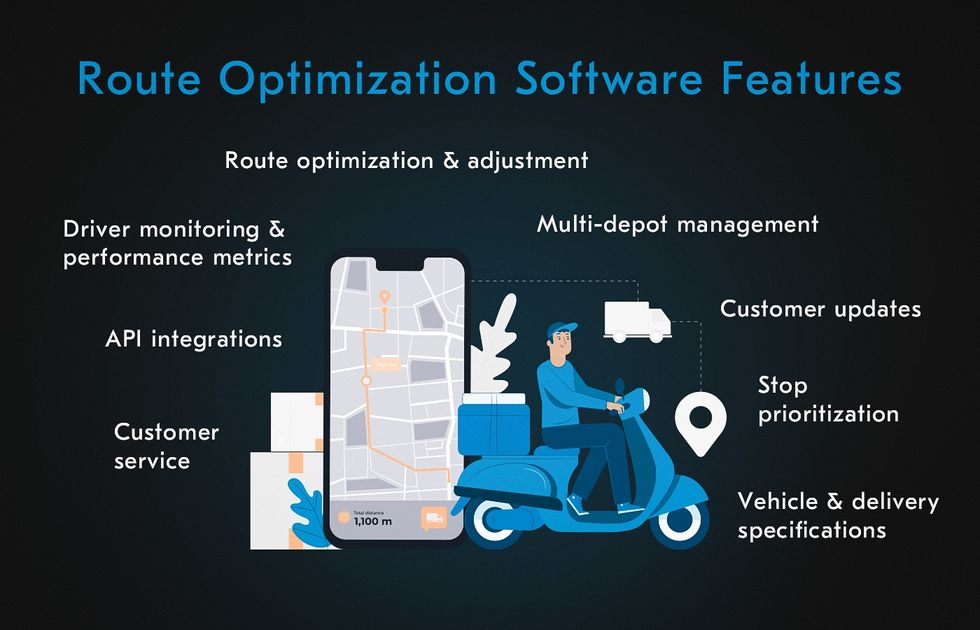
When selecting routing technology, businesses should consider features that match their operational requirements. Real-time tracking, reporting, analytics, and integration with existing order or fleet systems can make transportation management more efficient.
Scalability is also important. The chosen technology should be capable of supporting additional vehicles, drivers, delivery locations, and customers as the business expands.
An effective route management software solution can provide growing businesses with better visibility and control over their transportation operations. Before choosing a platform, companies should evaluate ease of use, integration options, reporting capabilities, and ongoing support.
Conclusion
Efficient route planning can have a direct impact on operational costs, driver productivity, customer satisfaction, and business scalability. By reducing unnecessary travel and improving scheduling, companies can make better use of their resources while delivering more reliable service.
As delivery demands increase, investing in smarter planning processes can help businesses remain organized and competitive. A data-driven approach to transportation can create efficiencies today while providing the flexibility needed for sustainable growth tomorrow.