
International shipping has become the backbone of global trade, connecting manufacturers, suppliers, and consumers across continents. With the increase in global commerce, protecting shipments from theft, tampering, and loss has never been more critical. Even a single compromised container can result in financial losses, operational delays, and damage to a company's reputation.
Implementing robust security measures ensures that cargo arrives safely and intact. From advanced locking systems to digital monitoring, businesses are combining traditional security methods with modern technology to maintain shipment integrity. High-strength sealing solutions play a central role in creating a first line of defense against unauthorized access.
Understanding the Risks in International Shipping
International shipments face a variety of threats throughout their journey. Theft, both opportunistic and organized, remains a significant risk at ports, distribution hubs, and during transit. Tampering is another concern, where unauthorized personnel may attempt to access cargo for valuable goods. Additionally, environmental hazards or improper handling can cause damage to sensitive or high-value shipments.
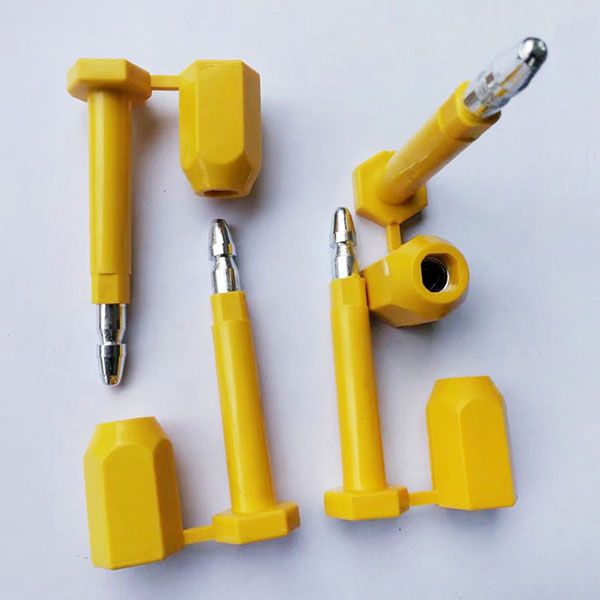
Vulnerabilities often arise from weak container locking mechanisms or improperly secured cargo. This is why many companies use bolt seals for shipping containers, which provide a high level of security and clear evidence if tampering occurs. These seals are particularly effective because they are durable, tamper-evident, and standardized, making them compatible with various container types used worldwide.
Financial and operational implications of compromised shipments include insurance claims, delayed deliveries, and strained client relationships. Understanding these risks highlights the necessity of investing in reliable security measures.
High-Security Seals and Locking Devices
High-strength seals and locking devices are crucial components of cargo security. They not only act as physical barriers but also provide tamper-evidence, indicating whether unauthorized access has occurred. These devices come in multiple forms, including padlocks, electronic locks, and bolt-style seals.
Bolt seals for shipping containers are particularly popular due to their robust construction and resistance to cutting or pulling. Their unique locking mechanism ensures that once applied, the seal cannot be removed without leaving clear evidence of interference. This feature not only deters theft but also allows logistics personnel to quickly identify tampered containers during inspections.
When integrated with proper documentation, high-security seals improve accountability across the supply chain. Each seal can be logged, tracked, and cross-referenced at different stages of transit to maintain a clear chain of custody.
Tracking and Monitoring Technologies
Modern shipping operations increasingly rely on tracking and monitoring technologies to enhance cargo security. GPS tracking provides real-time location data, allowing shippers to monitor container movement and detect anomalies. IoT sensors can detect unauthorized opening, temperature fluctuations, or humidity changes, providing early warning for potential threats.
Integrating digital tracking with high-strength seals, such as bolt seals for shipping containers, strengthens overall security. For example, if a seal is compromised, alerts can be sent to logistics managers, enabling immediate action. These technologies reduce reliance on manual inspections and provide better visibility throughout the entire shipping process.
Regulatory Compliance and Industry Standards
International shipping is governed by strict regulations to ensure the safe and secure transport of goods. Organizations like the International Maritime Organization (IMO) and the Customs-Trade Partnership Against Terrorism (C-TPAT) set standards for container security and seal integrity.
Complying with these standards is not only a legal requirement but also a business necessity. Certified sealing devices, such as bolt seals, must meet specified tensile strength and tamper-evidence requirements. Proper documentation of seals and inspections ensures smooth customs clearance and reduces the risk of penalties or shipment delays.
Best Practices for Handling and Transport
Implementing security measures goes beyond seals and locks. Proper handling procedures, staff training, and controlled access are essential for minimizing risks. Cargo should be secured within containers to prevent shifting during transit, which can damage goods and compromise seals.
Regular inspections, documented seal numbers, and strict protocols for opening containers ensure accountability at every stage. Coordination among carriers, freight forwarders, and customs officials enhances operational efficiency and prevents unauthorized access. Combining these practices with robust sealing solutions creates a comprehensive security strategy.
Case Studies and Real-World Applications
Many companies have successfully reduced theft and tampering incidents by implementing high-strength seals and monitoring systems. For example, logistics providers transporting high-value electronics or pharmaceuticals often combine GPS tracking with tamper-evident seals. This dual approach provides real-time monitoring and clear evidence if interference occurs.
In the middle stages of transport, bolt seals for shipping containers are particularly effective in securing containers at ports or during overland transit. Their widespread use demonstrates their reliability and adaptability across industries, including logistics, shipping, and energy sectors.
Conclusion
Protecting international shipments requires a combination of physical security, technology, and operational best practices. High-strength seals, such as bolt seals, serve as a frontline defense, deterring tampering and providing visual proof of unauthorized access.
When paired with tracking technologies, regulatory compliance, and proper handling procedures, these measures ensure that cargo arrives safely and securely. Investing in comprehensive cargo security not only reduces losses but also strengthens client trust and operational efficiency.