
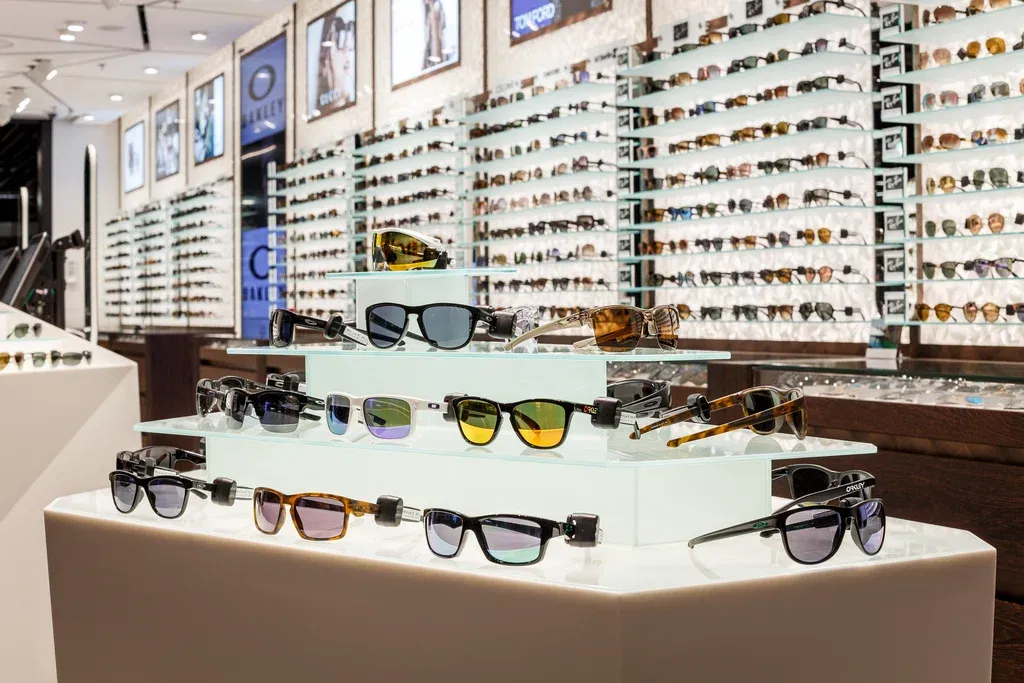
Visiting an optometrist for the first time can feel a little intimidating if you’re not sure what to expect. However, getting your eyes examined regularly is one of the most important steps toward maintaining healthy vision and preventing future eye problems. Whether you need glasses, contact lenses, or simply want to ensure your eyes are in good condition, being prepared can make your first visit smooth, informative, and comfortable.
1. Understanding the Importance of an Eye Exam
Your eyes do much more than help you see they can also reveal vital information about your overall health. Regular eye exams don’t just detect vision problems; they can uncover early signs of serious conditions like diabetes, hypertension, and glaucoma. This makes professional checkups essential, even if your eyesight seems fine.
Scheduling an eye check in Sydney with a qualified optometrist allows you to get an accurate understanding of your vision health. Experienced professionals can identify subtle issues before they become major problems, ensuring that your eyes remain healthy and your vision stays sharp. Early detection and prevention are the keys to long-term eye wellness.
2. What to Bring to Your Appointment
Preparation is crucial for a successful first visit to the optometrist. Bringing the right items helps your optometrist assess your vision and overall eye health more effectively. Here’s what you should have with you:
Your current glasses or contact lenses: These help the optometrist evaluate your current prescription and determine whether changes are needed.
A list of medications: Certain medications can affect your eyesight or eye pressure. Having this information helps ensure accurate results.
Medical and vision history: If you have any pre-existing health conditions or a family history of eye diseases, share these details with your optometrist.
Insurance or payment information: Make sure to bring any required documentation for coverage or billing.
Being well-prepared not only saves time but also helps your optometrist give you the most personalized care possible.
3. Questions to Ask Your Optometrist
Your first eye exam is a great opportunity to learn more about your vision health. Asking questions helps you understand your eyes better and ensures you’re getting the right treatment. Here are some useful questions to consider:
“How often should I get my eyes tested?”
“Are there any signs I should watch for between visits?”
“What lenses or treatments would best suit my lifestyle?”
“Do I need special coatings or filters for screen use?”
Open communication is key don’t hesitate to discuss any vision problems or concerns you’ve been experiencing. The more your optometrist knows, the better they can help.
4. What to Expect During the Eye Exam
Knowing what happens during an eye exam can help you feel more comfortable and confident. Most optometrists will guide you through several painless and straightforward tests, including:
Visual Acuity Test: Measures how clearly you see at different distances using a letter or symbol chart.
Eye Pressure Test (Tonometry): Checks for glaucoma by measuring internal eye pressure.
Retinal and Slit-Lamp Examination: Allows the optometrist to view the inner and outer structures of your eyes to detect any issues.
Refraction Test: Determines the precise prescription needed for your glasses or contact lenses.
At this stage, you can relax knowing that these tests are quick, non-invasive, and designed to give your optometrist a clear understanding of your eye health. If it’s been a while since your last check-up, you might be surprised at how detailed and informative the process can be.
In the middle of your visit, your optometrist may suggest a comprehensive eye check in Sydney to assess your vision more deeply, especially if they notice any irregularities. This ensures you receive accurate results and the right solutions for your lifestyle whether that’s corrective lenses, eye drops, or simple lifestyle adjustments.
5. After the Examination
Once the eye exam is complete, your optometrist will review your results and explain any changes in your vision. If a new prescription is needed, they’ll discuss your options for glasses or contact lenses that best fit your needs.
You may also receive advice on how to care for your eyes between visits such as limiting screen time, improving lighting for reading, or eating foods that promote eye health. If any conditions are detected, your optometrist might recommend further testing or regular monitoring to ensure early intervention.
This is also a great time to explore different lens options, coatings, or frame styles that suit your personality and comfort. Many optometry clinics have on-site eyewear specialists who can help you find the perfect pair of glasses that match both your vision needs and fashion preferences.
Conclusion
Preparing for your first visit to an optometrist doesn’t have to be stressful in fact, it can be a positive experience that gives you valuable insight into your vision health. By bringing the right information, asking thoughtful questions, and knowing what to expect, you’ll make the most out of your appointment.
Your eyes are a window to your health, so taking the time to care for them is an investment in your future well-being. Schedule your first eye exam today and take the first step toward clearer, healthier vision.