
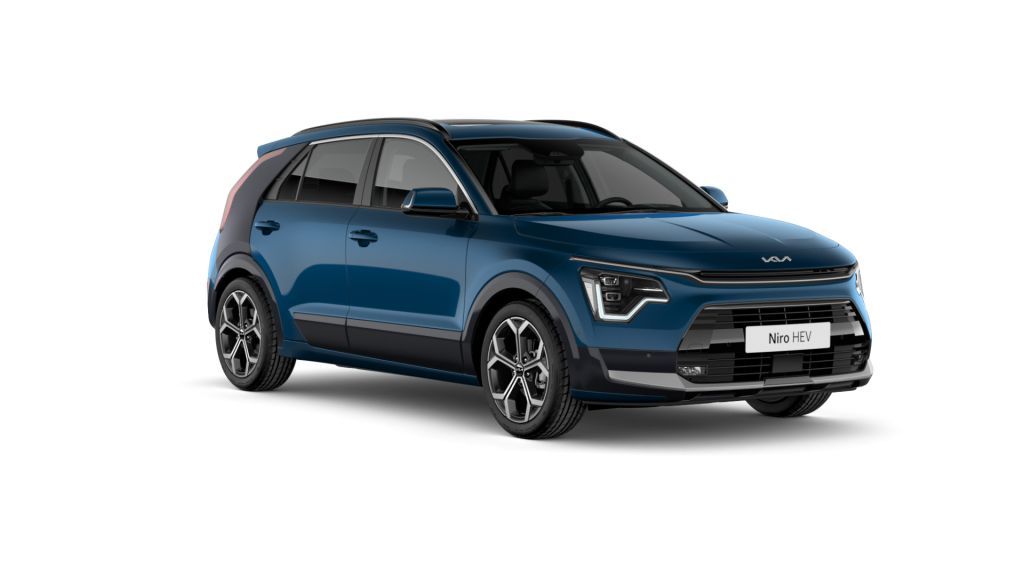
Shopping for a new SUV can be exciting, but it can also feel overwhelming especially when you discover that your preferred model comes in multiple trim levels. From base models to fully loaded premium editions, each trim offers a different combination of features, technology, performance, and pricing.
Understanding how to compare trim levels properly can help you avoid overspending while ensuring you get the features that matter most. Whether you're upgrading for more space, better technology, or enhanced performance, knowing what differentiates one trim from another is essential. This guide will walk you through exactly how to evaluate trim levels so you can confidently choose the right SUV for your lifestyle and budget.
What Are Trim Levels?
Trim levels are different versions of the same vehicle model, each offering varying features, styling elements, and performance upgrades. Most manufacturers structure trims in tiers: base, mid-level, and premium. As you move up the ladder, additional features and enhancements are included often at a higher price.
For example, when researching options like a kia sorento for sale, you may notice several trims available, each with distinct interior materials, safety technologies, and performance capabilities. While the base trim may offer essential features at a competitive price, higher trims typically include luxury touches, advanced driver-assistance systems, and upgraded infotainment.
The key is understanding that even though the model name remains the same, the driving experience and overall value can vary significantly depending on the trim you select.
Start With Your Budget
Before comparing features, establish a clear budget. It’s easy to be tempted by premium upgrades, but sticking to a financial plan ensures long-term satisfaction.
When setting your budget, consider:
The vehicle’s base price
Taxes and dealership fees
Insurance costs
Fuel economy
Maintenance expenses
Higher trims increase upfront costs, and certain features such as larger wheels or performance engines may also impact long-term ownership expenses. Determine which features are “must-haves” and which are “nice-to-haves” to avoid overspending.
Compare Engine and Performance Options
Not all trim levels share the same engine or drivetrain. Some SUVs offer multiple engine choices depending on the trim, including turbocharged options or hybrid powertrains.
When evaluating performance, consider:
Horsepower and torque
Fuel efficiency
Towing capacity
Front-wheel drive (FWD) vs. all-wheel drive (AWD)
Suspension upgrades
For example, mid-to-upper trims in many SUVs may offer AWD as standard, while base trims might offer it as an optional upgrade. If you live in an area with harsh weather conditions, AWD could be worth the investment.
Performance-focused trims may also include sport-tuned suspension systems or enhanced drive modes, making them ideal for drivers seeking a more dynamic experience.
Evaluate Interior Features and Comfort
Interior upgrades are often where trim levels differ most noticeably. This is where you’ll see the transition from practical to premium.
Pay attention to:
Seat material (cloth vs. leather or synthetic leather)
Heated and ventilated seats
Power-adjustable seating
Dual-zone or tri-zone climate control
Panoramic sunroof
Interior lighting upgrades
When browsing listings like a kia sorento for sale, you may find that higher trims include premium upholstery, larger infotainment screens, and enhanced sound systems. If daily comfort is a priority especially for families or commuters these upgrades can significantly enhance your driving experience.
However, if you prioritize affordability over luxury, a mid-level trim often strikes a perfect balance between comfort and cost.
Check Technology and Safety Features
Modern SUVs are packed with advanced technology, but not all trims include the same safety systems or infotainment upgrades.
Key features to compare include:
Adaptive cruise control
Blind-spot monitoring
Lane-keeping assist
Forward collision warning
Parking sensors and 360-degree cameras
Wireless Apple CarPlay and Android Auto
Some base trims include essential safety features, while advanced driver-assistance systems may only be available on higher trims. If safety is a top concern, it may be worth stepping up to a trim that includes comprehensive protection features.
Infotainment screen size is another big differentiator. Premium trims typically offer larger displays, built-in navigation, and upgraded audio systems that enhance entertainment during long drives.
Exterior Styling Differences
Trim levels often come with distinct exterior styling upgrades that change the vehicle’s overall look.
Common differences include:
Wheel size and design
LED headlights and taillights
Sport appearance packages
Roof rails
Chrome or blacked-out accents
Higher trims may offer a more aggressive or upscale design. For some buyers, exterior aesthetics play a major role in decision-making. Others may prefer to save money by choosing a lower trim with similar core functionality.
When reviewing options like a kia sorento for sale, carefully compare images and specifications to see how exterior details vary between trims.
Packages vs. Standalone Options
Many manufacturers offer feature packages that bundle popular upgrades together. Sometimes, adding a package to a lower trim can be more cost-effective than upgrading to the next trim level.
However, in some cases, moving up one trim provides better overall value because it includes multiple features at a lower combined price.
Before deciding, compare:
Cost of individual packages
Total price difference between trims
Resale value impact
Doing this analysis ensures you’re maximizing value while avoiding unnecessary expenses.
Test Driving Multiple Trims
A test drive is one of the most important steps in comparing trim levels. Even if specifications look similar on paper, real-world experience can reveal noticeable differences.
During your test drive, pay attention to:
Ride comfort
Cabin noise levels
Seat support
Acceleration and braking response
Visibility
Driving multiple trims back-to-back helps you determine whether premium upgrades genuinely improve your experience or if the base model already meets your needs.
Long-Term Value and Resale Considerations
Resale value is often overlooked but plays a significant role in total ownership cost.
Certain trims retain value better than others, especially those equipped with popular features like AWD, advanced safety technology, and premium interior upgrades.
While top-tier trims offer luxury and performance, mid-level trims often provide the best balance of features and resale value. Research local demand and market trends to identify which configurations are most desirable.
Conclusion
Comparing trim levels before buying your next SUV is essential for making a smart, confident purchase. From engine options and safety technology to interior comfort and styling, each trim offers a unique blend of features tailored to different needs and budgets.
By setting a clear budget, prioritizing must-have features, test driving multiple trims, and evaluating long-term value, you can avoid buyer’s remorse and choose the SUV that truly fits your lifestyle.
Whether you’re shopping for practicality, luxury, or performance, taking the time to compare trim levels carefully ensures you get the most value for your investment. A well-informed decision today can lead to years of driving satisfaction tomorrow.