
When it comes to designing a beautiful home, many people focus on the bigger elements like wall colors, furniture, or flooring. While these are certainly important, it’s often the little things that make the biggest difference. Details act as finishing touches, giving your space personality, elegance, and balance. Just like accessories complete an outfit, the right interior accents can transform a house into a cohesive, welcoming home.
The Power of Small Touches
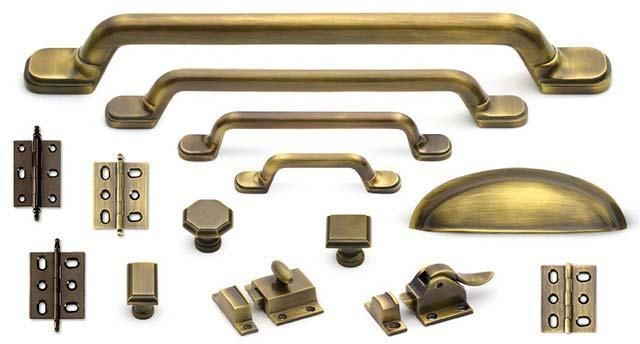
The smallest design elements often carry the most influence over how a room feels. Cabinet pulls, light switches, doorknobs, and trim are subtle but impactful accents that can change the mood of a space instantly. These understated details are often overlooked, yet they’re what people touch and see daily. Imagine walking into a kitchen where every handle, hinge, and kitchen and bathroom cabinet hardwar is thoughtfully chosen it feels deliberate, polished, and timeless. On the other hand, mismatched or outdated pieces can disrupt the flow, making even the most carefully designed space seem incomplete.
Coordinating Hardware and Fixtures
Consistency in hardware is one of the simplest ways to tie a room together. Matching handles, hinges, and fixtures across multiple spaces creates a sense of harmony, while mixing too many finishes can look chaotic. The finish you choose whether matte black, polished brass, chrome, or brushed nickel also sets the tone for your design. For example, brass adds warmth and elegance, while matte black offers a bold, modern statement. Incorporating carefully selected pieces of kitchen and bathroom cabinet hardwar ensures your design looks thoughtful, connected, and visually pleasing throughout your home.
Lighting as a Defining Detail
Lighting is another powerful element that serves both functional and aesthetic purposes. A stylish chandelier or pendant light can anchor a room, while wall sconces or recessed lights add subtle ambiance. Coordinating light fixtures with your hardware choices elevates design continuity. For instance, pairing brushed nickel cabinet pulls with matching pendant lights above a kitchen island creates a seamless look. Layering lighting ambient, task, and accent adds dimension and highlights the details you’ve worked hard to curate.
Textures, Fabrics, and Soft Accents
Beyond hardware and fixtures, textiles also play a critical role in interior design. Curtains, throw pillows, rugs, and blankets add depth and warmth, giving spaces a lived-in feel. The textures you choose can drastically shift the mood of a room. For instance, a velvet throw pillow adds sophistication, while a woven jute rug introduces natural charm. Pairing these soft accents with your chosen hardware finish ensures that hard and soft elements of the design work together.
The Role of Color in Details
Color, when used strategically, creates cohesion across a home. Incorporating subtle accent colors through accessories, fabrics, or small décor items can tie an entire theme together. For example, repeating a deep navy tone from kitchen bar stools in the bathroom’s towels makes the spaces feel linked. Accent colors can either blend with neutrals for a soft, balanced design or provide contrast for a bold statement. When repeated intentionally, color in small details gives your home a well-designed, polished look.
Functional Details That Double as Style Statements
Sometimes the most practical design choices become the most stylish. Hooks, towel bars, storage baskets, and drawer organizers are all functional, but when chosen thoughtfully, they also contribute to your home’s aesthetic. This is where hardware again shines practical pieces like drawer pulls or towel racks not only serve a purpose but also enhance the look of a room. By the middle of your project, you’ll notice that details like kitchen and bathroom cabinet hardwar make everyday routines feel smoother and more stylish.
Achieving Balance and Avoiding Clutter
While details elevate design, too many of them can overwhelm a space. It’s essential to find balance by choosing a few standout features and letting them shine. If every accent piece competes for attention, the design feels busy rather than polished. Following the principle of “less but better” ensures that each detail contributes meaningfully to the space. Focusing on quality rather than quantity is the key to timeless interior design.
Conclusion
Interior design isn’t only about the big pieces it’s about the small details that bring balance, beauty, and functionality to your home. Hardware, lighting, fabrics, textures, and colors work together to create cohesion and elevate the overall aesthetic. By carefully choosing each element, you can transform your space into something that feels intentional, inviting, and complete. Remember, it’s the details that turn a house into a home.