
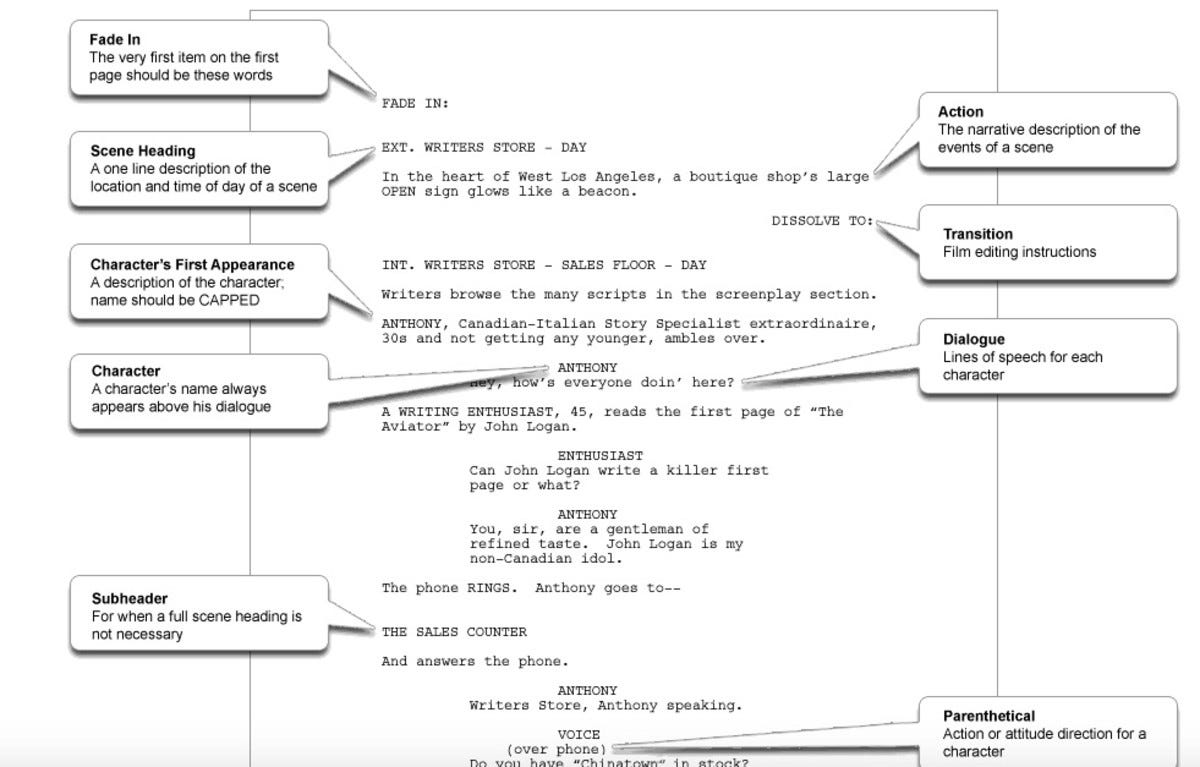
In storytelling, dialogue is far more than a tool for characters to exchange information. Well-crafted dialogue reveals personality, motives, and emotions while keeping the audience engaged. From the witty banter in comedies to the tense exchanges in thrillers, the way characters speak can define their identity and shape the story’s direction. Understanding how dialogue functions is essential for any writer aiming to create compelling characters and memorable narratives.
Dialogue as a Window into Character
Dialogue provides an immediate glimpse into who a character is, how they think, and what they value. The choice of words, rhythm, and tone can convey social background, education, or emotional state without explicitly stating it. For instance, a character who uses formal, precise language may come across as disciplined or uptight, while a character who relies on slang or fragmented sentences may appear more casual or rebellious.
Writers can use screenplay analysis to study how subtle differences in dialogue distinguish characters and make them feel authentic. This includes everything from catchphrases to pauses, hesitations, and interruptions that reveal the character’s mindset. By analyzing successful scripts, writers can learn how to craft voices that are both unique and believable.
Driving the Story Through Dialogue
Dialogue doesn’t just reveal who characters are it moves the story forward. Conversations can introduce conflict, reveal secrets, or foreshadow critical events. Even seemingly mundane exchanges can advance subplots or clarify relationships between characters. For example, a tense confrontation between two characters might escalate the main conflict, setting the stage for a turning point in the story.
In the middle of a screenplay, dialogue can also subtly reflect character growth and shifting dynamics. By strategically placing certain lines or interactions, writers allow the audience to sense internal changes, unresolved tensions, or emerging goals. Again, examining scripts through screenplay analysis illustrates how dialogue is not merely ornamental but integral to plot progression.
Balancing Realism and Storytelling
While realistic dialogue can immerse an audience, too much realism can bog down a story. In real life, conversations often include filler words, digressions, and interruptions that don’t necessarily advance a plot. Effective writing requires trimming these elements without losing the natural voice of the character. Writers can maintain authenticity by focusing on dialogue that reveals emotion, advances the story, or deepens relationships, ensuring every line has purpose.
Dialogue and Character Arcs
As characters evolve, so should their dialogue. A timid character may start with short, uncertain sentences but gradually develop more confident and assertive speech as they grow. Conversely, a character’s dialogue can show internal conflict or moral dilemmas, allowing audiences to track development subtly. Dialogue is a mirror of transformation it reflects successes, failures, and shifts in motivation throughout the story.
Practical Tips for Writers
Craft Distinctive Voices: Each character should have a unique way of speaking to avoid blending together.
Use Subtext: What a character doesn’t say can be as powerful as what they do. Subtext adds depth to dialogue and can hint at hidden motives.
Revise Thoughtfully: Trim unnecessary lines and ensure each piece of dialogue serves character or plot development.
Conclusion
Dialogue is a powerful storytelling tool that shapes characters and drives the story forward. By carefully analyzing and crafting how characters speak, writers can reveal personality, convey emotion, and create engaging arcs that resonate with audiences. The next time you study a favorite film or script, pay close attention to dialogue it may teach you more about storytelling than you realize.